
Innovative digital solutions, robust networking, and custom software development.
Strategic digital transformation and automation for modern businesses.
Enterprise-grade infrastructure, ISP management, and security solutions.
Custom web applications, POS systems, and specialized business logic.
Premium cables, routers, and networking accessories — directly sourced and tested by our engineers.
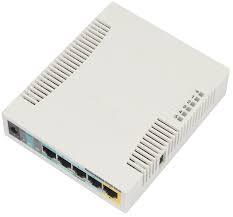
Key Features & SpecificationsProcessor & Memory: 600 MHz CPU and 128 MB RAM.Wireless: Built-in high-power 2.4 GHz 802.11b/g/n.Ethernet Ports: 5 ports (10/100 Mbps on the UI model; 10/100/1000 Gigabit on the G model).USB: 1x USB 2.0 port for 3G/4G modems or external storage.PoE Capabilities: Passive PoE input on Port 1, and passive PoE output on Port 5 (UI model only)
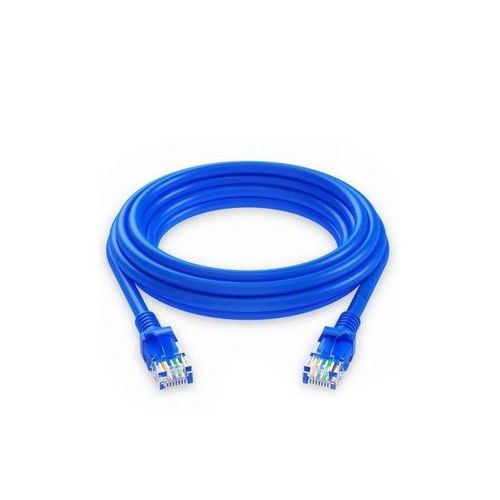
305M in length
Built for the most demanding network environments.
Effortlessly generate invoices and process payments integrated with local mobile money for automated revenue collection.
Control user sessions and bandwidth limits with precision.
Design flexible service tiers to meet every customer's needs.
Gain deep insights into traffic patterns, revenue, and customer trends with high-fidelity visualization.
Real-time notifications for outages, payments, and system health to keep your operations running smoothly.
Real-world impact across our three core pillars.
Deep dives into network architecture, software solutions, and industry trends.
DIGITAL SOVEREIGNTY · APRIL 2026 Uganda’s Internet Is Finally Coming Home The launch of the National IP Peering Exchange (NIPX) marks a turning point for Uganda’s digital economy — and a major win for every local ISP operating in the country. ● NITA-U & Ministry of ICT ● Launched April 17, 2026 ● Kampala, Uganda ↓ Latency Local traffic speeds dramatically improved 1st Open IXP Uganda’s first neutral Internet Exchange Point FX Savings Reduced hard-currency spending on overseas routing BACKGROUND The Traffic Boomerang Problem For years, a strange and costly thing happened every time a Ugandan accessed a government service or local website. Their data would leave Uganda, travel to servers in Europe, the United States, or South Africa — and then travel all the way back. This “boomerang” routing added latency, drove up costs for ISPs paying for international bandwidth, and left Uganda’s digital infrastructure dependent on foreign networks. The National IP Peering Exchange (NIPX) is designed to fix this. It is a neutral hub — not controlled by any single company or government entity — where ISPs, content delivery networks, cloud platforms, and government networks can exchange traffic directly, within Uganda’s borders. How Traffic Moved — and How It Moves Now Scenario Origin Route Hub Result Before NIPX Ugandan user → Overseas server High cost, high latency With NIPX Ugandan user → NIPX local hub Fast, affordable, local “If a person in Uganda needs access to data from institutions such as URA, that data should not have to be routed through Kenya before it can be accessed. With NIPX, access happens directly within Uganda.” — Godfrey Sserwamukoko, Chairperson, Internet Service Providers Association of Uganda (ISPAU) FOR LOCAL ISPs Six Game-Changing Advantages While NIPX benefits all digital stakeholders, the advantages for Uganda’s local Internet Service Providers are especially profound. 1. Lower Bandwidth Costs ISPs currently pay premium rates for international transit bandwidth. By keeping local traffic local, they eliminate a major line item from their operational costs — savings that can be passed directly to consumers or reinvested in network expansion. 2. Faster Speeds for Customers Shorter data routes mean dramatically lower latency. ISPs can offer genuinely faster, more responsive connections to end users without adding infrastructure. Local traffic that previously bounced through international servers can now resolve in milliseconds. 3. A Level Playing Field NIPX is a neutral, collectively governed platform. No single operator controls access, giving smaller ISPs the same peering opportunities as the largest players. This open governance model is fundamental to the platform’s design. 4. Network Resilience When international subsea cables are cut or disrupted — as happens periodically across East Africa — ISPs relying solely on overseas routing lose service entirely. NIPX ensures domestic services remain accessible regardless of what happens to international links. 5. Local Cloud Hosting Opportunity As local traffic stays local, demand for Uganda-based data centers and cloud hosting grows organically. ISPs who invest in local server infrastructure can capture entirely new revenue streams as companies seek to host content closer to Ugandan users. 6. Foreign Exchange Savings International bandwidth is purchased in hard currency. By reducing dependence on overseas routing, ISPs retain more of their earnings in Uganda shillings, improving financial stability and reducing exposure to exchange rate fluctuations. STRATEGIC CONTEXT Part of a Larger National Vision NIPX does not exist in isolation. It is a strategic deliverable under Uganda’s Digital Transformation Programme 2023–2028 and the broader Digital Uganda Vision, which aims to transform the country into a competitive regional ICT hub. ● Digital Uganda Vision 2040 launched — Framework established to build a knowledge-based economy anchored in digital infrastructure and innovation. ● Digital Transformation Programme 2023–2028 — IP peering identified as a key deliverable. NITA-U mandated to develop national peering infrastructure. ● NIPX announced, April 14, 2026 — NITA-U and Ministry of ICT unveil plans at Uganda Media Centre. Stakeholders briefed on the neutral governance model. ● Official launch, April 17, 2026 — NIPX goes live at Speke Resort Munyonyo. ISPs, content providers, and government networks invited to connect immediately. “The NIPX is more than just a technical upgrade; it is a strategic move to position Uganda as a competitive ICT hub in East Africa. The infrastructure is expected to attract investment, support innovation, and boost the development of local digital content.” — Kabbyanga Godfrey Baluku, Minister of State for National Guidance ACTION What ISPs Should Do Now NITA-U has called on all eligible networks to connect to NIPX and begin peering immediately. The platform’s neutral governance model means participation is open and no single competitor gains an unfair advantage by joining early — quite the opposite. The sooner an ISP connects, the sooner it begins realising cost savings and performance gains that can be passed on to customers. For ISPs who have been watching Uganda’s internet infrastructure mature from the sidelines, NIPX is the clearest signal yet that the country’s digital backbone is being built from the inside out. The question is no longer whether to join — it is how quickly. Uganda’s internet is reclaiming its sovereignty The NIPX is a historic infrastructure milestone. For local ISPs, it is also a commercial opportunity, a competitive advantage, and a chance to be part of the country’s digital future. Connect now at NITA-U.

For years, Virtual Private Networks (VPNs) were the standard solution for secure remote access. They allowed employees to connect to company networks from outside the office and helped businesses support remote work securely. But the cybersecurity landscape has changed dramatically. Cloud computing, remote work, mobile devices, and increasingly sophisticated cyberattacks have exposed the limitations of traditional network security models. In response, organizations are rapidly adopting a modern approach known as Zero Trust Networking. Unlike traditional security methods that automatically trust users once they’re inside the network, Zero Trust assumes that no user, device, or connection should be trusted by default. Its philosophy is simple: Never trust. Always verify. What Is Zero Trust Networking? Zero Trust Networking is a cybersecurity model that continuously verifies every user, device, application, and request before granting access to company resources. Traditional networks operated like a castle: Strong defenses around the perimeter Open trust once inside This worked when employees mainly worked from office buildings using company-managed devices. But today: Employees work remotely Applications live in the cloud Personal devices access corporate systems Attackers target user identities instead of networks As a result, trusting users simply because they connected to the network is no longer safe. Zero Trust removes that assumption by verifying access continuously and limiting permissions to only what users truly need. What Is a VPN? A VPN, or Virtual Private Network, creates an encrypted connection between a user’s device and a company’s internal network. VPNs are designed to: Protect internet traffic Allow remote access Hide user activity from outside interception Secure communications over public networks When users connect through a VPN, they are often treated as if they are physically inside the company’s office network. This approach was highly effective for many years — but it also introduced a major problem: Once connected, users often gain broad access to internal systems. If attackers steal credentials or compromise a device, they can potentially move throughout the network with fewer restrictions. How Zero Trust Differs from VPNs Zero Trust and VPNs may appear similar because both deal with secure access, but they operate very differently. A VPN focuses on securing the connection. Zero Trust focuses on securing identity, access, and behavior continuously. Zero Trust vs Traditional VPN Feature Zero Trust Networking Traditional VPN Security Model “Never trust, always verify” Trust once connected Access Control Granular, role-based access Broad network access Authentication Continuous verification Usually verified only at login Network Exposure Minimal exposure Larger internal network exposure Remote Work Security Built for modern distributed teams Designed for older perimeter networks Lateral Movement Risk Greatly reduced Higher if compromised Device Verification Frequently enforced Often limited Cloud Compatibility Strong cloud-native integration Less optimized for cloud systems Threat Detection Real-time monitoring and response Basic session monitoring Scalability Flexible and modern Can bottleneck under heavy usage User Experience Direct access to specific resources Full network tunnel access Why Businesses Are Moving Toward Zero Trust Modern cyberattacks no longer focus only on breaking through firewalls. Instead, attackers target: Weak passwords Phishing emails Stolen credentials Unsecured devices Human error Once attackers gain access to a traditional VPN-connected environment, they may move laterally across systems. Zero Trust helps prevent this by: Restricting unnecessary access Continuously validating identities Monitoring behavior in real time Segmenting networks into smaller protected zones This significantly limits how far attackers can go if an account or device becomes compromised. Core Principles of Zero Trust 1. Verify Every User and Device Every access request must be authenticated and validated, regardless of where it originates. This may include: Multi-factor authentication (MFA) Device security checks Identity verification Behavioral analysis 2. Least Privilege Access Users receive access only to the systems and data they need to perform their tasks. This reduces exposure to sensitive resources. 3. Micro-Segmentation Networks are divided into smaller protected sections to prevent attackers from moving freely between systems. 4. Continuous Monitoring Zero Trust systems constantly analyze activity for suspicious behavior, including: Unusual login attempts Unexpected file transfers Abnormal access patterns Unauthorized privilege changes Benefits of Zero Trust Networking Stronger Security Zero Trust minimizes blind trust and reduces attack surfaces. Better Remote Work Support Employees can securely work from anywhere without exposing entire networks. Reduced Breach Impact If attackers gain access, their movement is heavily restricted. Improved Visibility Organizations gain deeper insight into users, devices, and application activity. Better Cloud Security Zero Trust aligns naturally with modern cloud environments and hybrid infrastructures. Challenges of Implementing Zero Trust Although Zero Trust offers major advantages, implementation can be challenging. Organizations may face: Complex infrastructure changes Legacy application compatibility issues Higher upfront investment User resistance to additional verification steps However, many businesses consider these trade-offs worthwhile given the growing threat landscape. Can Zero Trust Replace VPNs Completely? In some cases, yes. Many organizations are adopting Zero Trust Network Access (ZTNA) solutions that provide secure application-level access without exposing the full network. However, VPNs still remain useful for: Legacy systems Certain internal tools Temporary remote access needs Smaller organizations with simpler infrastructures Today, many businesses use a hybrid approach where VPNs coexist with Zero Trust strategies during transition periods. The Future of Cybersecurity Cybersecurity is moving away from perimeter-based security toward identity-based security. As businesses continue embracing: Remote work Cloud computing SaaS applications Mobile devices AI-powered systems Traditional trust-based models become increasingly risky. Zero Trust Networking represents a modern security mindset built for today’s digital environment — one where every access request must earn trust continuously. Final Thoughts VPNs helped shape secure remote work for decades, but modern threats require more adaptive security approaches. Zero Trust Networking offers a smarter framework by: Continuously verifying access Limiting unnecessary permissions Monitoring activity in real time Reducing attacker movement across systems In an era where cyberattacks are becoming more sophisticated every day, trusting nothing by default may be the strongest defense organizations can build.

Nairobi Becomes Africa’s New AI Hotspot The global tech giant GITEX has officially landed in East Africa, and Nairobi is now at the center of one of Africa’s fastest-growing AI conversations. AI Everything Kenya x GITEX Kenya 2026 brought together startups, investors, policymakers, students, developers, and global technology companies for a three-day summit focused on artificial intelligence, cybersecurity, fintech, cloud computing, agritech, and digital transformation. Hosted between the Sarit Expo Centre and the Kenyatta International Convention Centre, the conference attracted participants from more than 75 countries and thousands of attendees across the African tech ecosystem. Speaker Lineup Highlights Several high-profile speakers, founders, investors, and policymakers attended the summit to discuss Africa’s AI future. Notable voices at the event The lineup included: African venture capital investors Fintech founders AI researchers Kenyan government technology leaders International AI and cloud executives Companies and organizations represented Major organizations mentioned across event coverage included: IBM Mastercard Glovo Italian Trade Agency KAOUN International One of the most talked-about sessions focused on how Africa can build AI systems designed for local languages, agriculture, education, and financial inclusion instead of depending entirely on imported models. Startup Competitions and Innovation Challenges Supernova Challenge One of the biggest attractions at GITEX Kenya was the Supernova Challenge, Africa’s major startup pitch competition connected to the wider GITEX network. What startups competed for USD 30,000 equity-free funding Exposure to international investors Opportunities to pitch globally Access to the GITEX global finals Glovo PowerUp Award Food delivery and tech company Glovo also launched a startup support initiative during the conference. A Kenyan startup won a fully funded innovation residency in Barcelona through the Glovo Kenya PowerUp Award 2026. The award highlighted how international companies are beginning to invest more heavily in Kenyan AI and startup talent. Kenyan Companies and Innovators Attending Kenyan startups and innovators were among the strongest participants at the summit. Areas where Kenyan startups stood out AI for healthcare Sign-language AI tools Fintech and digital payments AI-powered education systems Agritech automation Local-language speech technology Kenyan innovation projects gaining attention Some of the most exciting discussions included: AfriVoices-KE, a multilingual Kenyan speech dataset supporting African language AI systems AI-powered medical education tools built for low-resource Kenyan schools and universities AI moderation and peacebuilding research developed collaboratively by African researchers The event showed that Kenya is not just consuming AI technology — it is actively building solutions for African problems. Opportunities for Students and Developers Why students should care For students interested in: software engineering, cybersecurity, machine learning, robotics, data science, UI/UX, or startups, this conference became one of the best networking opportunities in East Africa. Many students attended specifically to: meet mentors, get internship opportunities, discover scholarships, learn AI tools, and connect with startup founders. Developer Opportunities at GITEX Kenya Workshops and technical sessions Developers attending the event gained access to: AI workshops cybersecurity simulations startup demo sessions cloud and infrastructure talks investor networking opportunities Career opportunities The summit also created opportunities for: internships startup hiring hackathons accelerator programs remote AI jobs open-source collaborations Many startups were actively searching for: frontend developers AI engineers cloud specialists prompt engineers product designers data analysts Why This Event Matters for Africa AI Everything Kenya x GITEX Kenya is more than just another tech conference. It signals a major shift: Nairobi is becoming a continental AI hub. African startups are attracting global investors. Local-language AI is gaining momentum. Students now have direct access to global tech ecosystems. International tech companies increasingly see Kenya as a strategic innovation market. As AI adoption grows across Africa, events like GITEX Kenya could play a major role in shaping the next generation of African developers, founders, and digital creators.





“I'm impressed with how we resolved the issue”

“Ever since we installed the POS, they have been very supportive”
Connect with the brightest minds in networking and infrastructure. Join our elite community of tech innovators.
Choose a plan that fits your business scale and complexity.
Ideal for small ISPs and network hubs needing basic automation.
Full digital transformation and strategy for growing teams.
Bespoke software development and enterprise-scale systems.
Get in touch with our team.
A mandatory survey fee of 50,000 UGX applies.